Picture this: a guest lands at your hotel after a long flight. They’re tired, a bit frustrated, and all they want is a smooth check-in. Instead of standing in line, they open your website or WhatsApp, type a question, and get an instant, personalized response. The room key is ready, the minibar info is clear, and the spa hours are waiting in the chat.
Between you and me, this is not a futuristic dream. How chatbots are transforming the hotel experience is happening right now. AI-powered hotel chatbots are quietly changing the way guests interact with your hotel and how your team delivers service.
They are not replacing staff, but they are helping hotels provide faster, more personalized, and more consistent experiences. Hotels using platforms like Purple Square AI have reported smoother check-ins and better guest satisfaction. Honestly, if you run a hotel today, you need to grasp this shift.
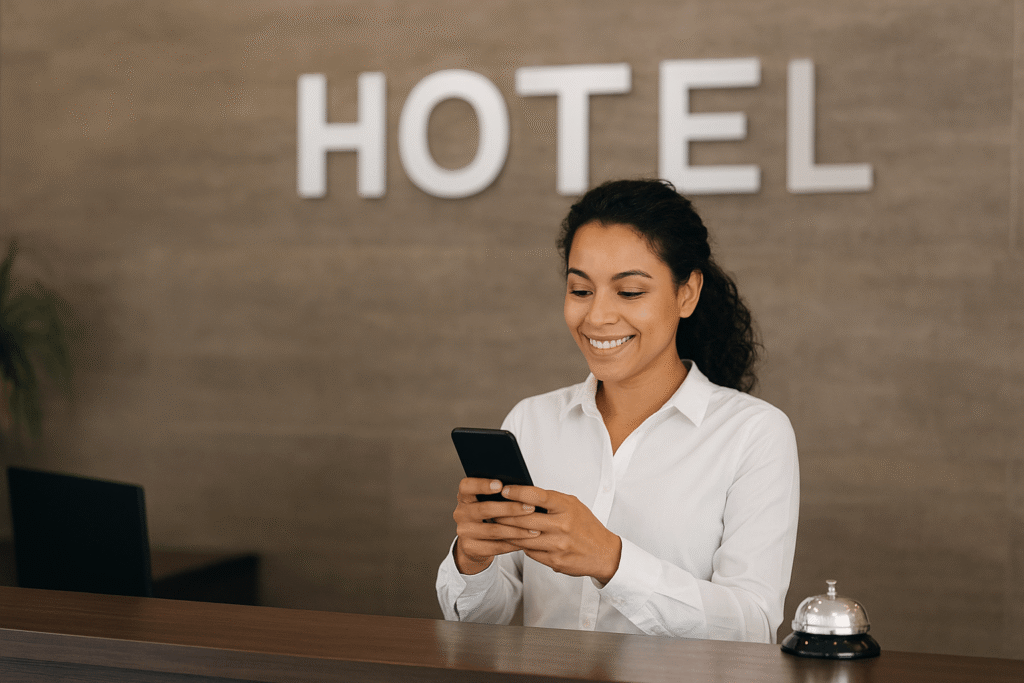
What Is a Hotel Chatbot-Now vs. Then
Well, it depends on who you ask. Early hotel chatbots were simple. They answered FAQs, followed rigid scripts. They were limited and often frustrating. Today, chatbots are powered by AI, natural language processing, and even sentiment analysis. They can understand guest intent, respond in multiple languages, and integrate with your PMS, CRM, and booking engines.
Here’s the thing though: even the most advanced chatbot isn’t a replacement for human hospitality. Think of it as a digital concierge. It handles repetitive, predictable questions so your staff can focus on moments that truly matter. It works 24/7, never complains, and scales instantly during busy periods.
Entities to note: WhatsApp, Facebook Messenger, Google Business Messages, Opera PMS, StayNTouch, Cloudbeds, and other real booking and CRM platforms widely used in U.S. hotels. Solutions like Purple Square AI also streamline multi-channel integration, making deployment easier.
Why Guests Actually Love (or Sometimes Hate) Chatbots
Honestly, this drives people crazy if done poorly. A badly trained bot can frustrate guests in seconds. But a well-designed one? Guests appreciate the speed, convenience, and even the fun of interacting with a smart system.
Guests typically expect:
- Instant replies to routine questions
- Multilingual support
- 24/7 availability
- Personalized recommendations
Research from Reddit and Quora discussions shows guests love chatbots for practical purposes: late check-out requests, Wi-Fi passwords, parking instructions. But they do not want chatbots handling emotional issues or complaints. Chatbots excel at providing information, not empathy.
Core Ways Chatbots Are Changing the Guest Journey
24/7 Virtual Concierge
Guests no longer wait for a front desk agent. They can ask about check-in times, breakfast hours, or restaurant reservations anytime. The best chatbots integrate seamlessly across channels, from your website to WhatsApp or Messenger. Hotels in cities like Las Vegas, Orlando, and New York report faster response times and happier guests.
Seamless Booking, Check-In, and Check-Out
AI chatbots guide guests through availability, special requests, and mobile key delivery. Guests can often complete their entire stay experience through chat without waiting in line. This is especially valuable for business travelers who value efficiency.
On-Property Requests
Guests can request towels, housekeeping, or maintenance instantly. Chatbots prioritize requests and route urgent issues directly to staff. This reduces front desk congestion and ensures guests feel attended to.
Personalized Local Recommendations
AI chatbots remember guest preferences and suggest nearby restaurants, attractions, or events. A guest who loves art might get museum recommendations, while a foodie sees local dining options. Personalization builds loyalty and a sense of care.
Upselling and Cross-Selling
Chatbots suggest upgrades, spa appointments, or dining experiences at the right moment. Unlike generic marketing emails, these prompts feel personal and timely, increasing conversion without annoying guests. Tools like Purple Square AI can integrate upselling suggestions based on guest behavior.
Proactive Real-Time Notifications
Guests receive reminders for check-in, weather alerts, or event notifications. They feel informed without asking repeatedly. This level of proactive service was previously possible only with large teams or luxury concierge services.
Back-Office Impact: How Hotels Get Smarter and Leaner
Chatbots are not just guest-facing tools, they also transform operations. They reduce repetitive work, sync data with PMS and CRM systems, and help staff focus on high-value tasks.
Operational Efficiency
AI handles simple inquiries, freeing staff for complex tasks. Hotels notice lower front desk pressure and smoother service delivery.
Cost Reduction
While initial setup requires investment, chatbots save labor costs over time. They reduce staff overload during peak periods and prevent errors caused by manual entry.
Data-Driven Insights
Chatbots log guest preferences, common questions, and feedback. Hotels use this data to improve services, refine marketing, and anticipate guest needs more accurately.
Advanced AI Features Transforming Hospitality
Sentiment Analysis
Some chatbots detect guest mood based on wording and respond appropriately. Frustrated guests are escalated to staff, preventing poor reviews.
Predictive Recommendations
AI predicts guest needs. If a guest booked a spa appointment last summer, the bot might suggest a similar service this visit. Predictive models increase revenue and satisfaction.
Sustainability and Green Operations
Chatbots can reduce paper usage, optimize energy consumption by reminding guests about lighting or thermostat preferences, and support eco-friendly hotel initiatives.
Multilingual and Inclusive Support
Chatbots communicate in multiple languages, expanding accessibility to international travelers. They also support guests with accessibility needs through clear, structured communication.
Challenges and Risks
Even with advanced AI, hotels must tread carefully:
- Loss of personal touch if overused
- Misunderstanding guest intent can frustrate guests
- Data privacy concerns require secure handling of personal information
- Over-automation may alienate guests who prefer human interaction
- Cost and integration complexity must be managed
Look, I’ll be straight with you: chatbots are tools, not magic. Done poorly, they harm your reputation. Done well, they enhance it.
Measuring Impact: Metrics That Matter
Hotels can assess chatbot performance by tracking:
- Guest satisfaction (CSAT, NPS) before and after implementation
- Average response time for inquiries
- Volume of interactions handled by bots
- Revenue from upselling or cross-selling via chat
- Staff time saved and redeployed
- Guest retention rates and repeat bookings
Monitoring metrics ensures chatbots add real value and align with business goals. Platforms like Purple Square AI often provide built-in reporting dashboards to simplify tracking.
Implementation Roadmap
Step-by-step approach based on successful U.S. hotel implementations:
- Pilot Phase – Start with FAQs and basic service requests. Test on a single platform.
- Integration Phase – Connect to PMS, CRM, and booking engines. Ensure data flows correctly.
- Upselling & Recommendations – Add proactive suggestions and personalized offers.
- Sentiment & Escalation – Implement mood detection and clear handoff to staff for sensitive issues.
- Review & Iterate – Analyze metrics, refine responses, retrain AI regularly.
Following this roadmap ensures smooth adoption without overwhelming staff or confusing guests.
Future Trends
- Voice-Enabled AI: Guests interact with smart speakers in-room for a conversational experience.
- Deep Predictive AI: Anticipates guest needs and preferences before they ask.
- Sustainability Integration: Chatbots actively guide guests toward eco-friendly choices.
- Emotional AI: Detects mood and provides empathetic responses.
- Ecosystem Integration: AI chatbots connecting with apps, smart rooms, and IoT devices for seamless experiences.
Guest Voices and Use Cases
Here’s what guests say:
“AI chatbots provide instant support, but sometimes feel too robotic.” — common sentiment from Reddit hospitality discussions.
A business hotel sees most bot use for check-in queries. A resort uses bots for multilingual concierge services during peak season. A boutique chain finds upselling suggestions the most appreciated feature. Solutions like Purple Square AI handle these scenarios smoothly, without disrupting staff workflows.
Conclusion
How chatbots are transforming the hotel experience is undeniable. They deliver speed, personalization, and efficiency. They are not replacements for human staff but powerful allies in improving guest satisfaction and operational performance. Hotels that implement AI thoughtfully gain happier guests, more efficient teams, and a measurable boost in revenue.
If you want to explore AI chatbots further, check out Purple Square AI’s hotel chatbot. It’s a step-by-step resource for hotels looking to transform the guest experience.
FAQs
Q: How do chatbots improve guest satisfaction in hotels?
They provide instant answers, personalize interactions, and handle repetitive requests efficiently.
Q: Can chatbots handle room service orders?
Yes, for standard requests. Complex or urgent issues are escalated to staff.
Q: Are chatbots good for international guests?
Absolutely. Multilingual capabilities allow global travelers to interact naturally.
Q: Is it safe to share personal data with a chatbot?
Yes, when the system uses secure, encrypted channels and integrates properly with your PMS/CRM.
Q: Do chatbots help hotels save money?
Yes, by reducing repetitive work and enabling staff to focus on high-value interactions.
Q: When should a hotel implement a chatbot?
When guest volume, service demand, or staffing pressure warrants automation. Usually starting with a pilot is safest.
Also Read: Should Hotels Use AI Chatbots