If you manage a hotel, you already know the pattern. Guests want fast answers. They want booking help, directions, local tips, room upgrades, late checkout, and clear guidance. They want all of this right away. Most hotels try their best, but teams often run with limited staff and specific working hours. A hotel chatbot supports this pressure and keeps information flowing.
Here is the thing. Not every hotel chatbot works the same way. Some focus on booking flows. Others focus on guest messaging. A few concentrate on operations. Many look helpful until you discover they do not support your property management system or your language needs. That is usually the moment you start the search again.
Our team at Purple Square AI has worked with hotels of different sizes and regions. We see what works and what breaks, we see what saves time and what frustrates guests. We also see hotel owners choose the wrong tool because the online comparisons feel generic. This gap pushed us to create a deeper guide.
This article walks you through the best hotel chatbot options for 2026, the features that matter, the traps to avoid, and why Purple Square AI can serve as a complete choice for many hotel types. The tone stays practical. There is no hype. You can scan sections fast or read them slowly with a coffee.
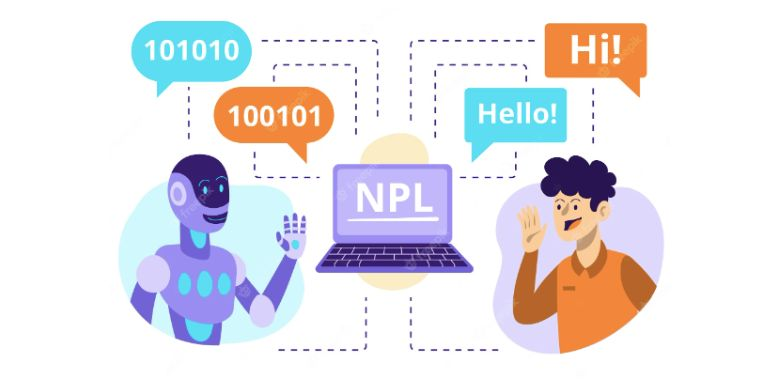
Why Hotels Need a Chatbot Today
Most hotels face similar challenges. Guests want instant answers. Staff availability shifts with schedules. Channels keep expanding. Guests may message from the website, WhatsApp, Facebook Messenger, or SMS. The pace becomes intense. A hotel chatbot solves this pressure by answering common questions, handling booking steps, and routing complex issues to staff.
Hotels usually see faster replies, fewer missed questions, and stronger direct booking flow. A chatbot stays awake all night. It keeps a consistent tone, It reduces hold time. It improves accuracy on simple details like check in times and directions.
Based on our experience, staff often feel relieved, not replaced. They move toward tasks that need judgment, They handle sensitive situations. They give more attention to in person guests. The chatbot handles routine questions and simple steps.
You might wonder why every hotel has not installed a system yet. Many worry about cost, system integration, and the risk of losing personal service. These concerns are valid. A good system must protect brand tone, guest trust, and hotel identity. It must feel helpful, not robotic.
How to Compare Hotel Chatbots
Choosing the best hotel chatbot looks easy at first. Then the feature list grows. Booking flow. PMS integration. Multilingual support. Analytics. WhatsApp support. Staff handover. Guest privacy. It can feel like a maze.
Break it into seven questions.
- Can it complete a booking request?
- Does it support the languages your guests use?
- Does it connect to your PMS or booking engine?
- Can staff take over conversations when needed?
- Does it support web chat, WhatsApp, and SMS?
- Is the interface simple for non technical staff?
- Does it protect guest data with clear boundaries?
Most hotel managers want intent accuracy. They want the system to understand room upgrades, late arrivals, early check in, luggage needs, and basic directions, They want to know if the chatbot struggles with accents or slang. They want to know if it can handle long hotel names or complex room types.
The answer depends on the system. Some platforms learn fast. Others rely on strict scripts. Hotels usually prefer a mix. You want structure for accuracy and intelligence for flexibility.
As entities, hotels often rely on tools that support Opera PMS, Cloudbeds, RoomRaccoon, Siteminder, and booking engines linked to Booking.com or Expedia. These systems influence chatbot performance, so integration quality matters.
Leading Hotel Chatbot Options in the Market
These summaries reflect public features and general industry positioning. They stay neutral and avoid unverifiable claims.
HiJiffy
HiJiffy focuses on guest communication. It supports booking steps, multilingual chat, and channel coverage. Many hotels choose it for broad messaging support. It works across web chat and social platforms. It uses templates and AI. Hotels like the structured flows. Some feel the customization range varies. It suits medium and large hotels.
Revinate Ivy
Revinate Ivy blends messaging and guest journey tools. It handles pre arrival and in stay communication. Hotels value the connection to guest data. It works well for brands that focus on loyalty. Some setups may need extra tools for full booking flow.
ALICE
ALICE supports operations, task management, and service delivery. It includes guest messaging. Hotels like the link between chat and operations. Staff can turn messages into tasks. It works for hotels that want unified operations. The chatbot side focuses more on communication than booking.
HelloShift
HelloShift supports guest messaging, simple chatbot features, and staff communication. It suits small hotels or independent properties that want basic automation.
Other Market Options
Some platforms offer general purpose chatbots with hotel templates. These include systems linked to social channels or AI engines. They offer strong conversation ability but may need more setup for hotel tasks.
From our view, most hotels choose based on integration and ease of use. If the system connects to your PMS and staff feel comfortable, the decision becomes simple.
Where Purple Square AI Stands Out
We believe Purple Square AI offers a strong balance for hotels that want booking support, multilingual understanding, and a helpful concierge experience. Hotels usually ask for three things. They want direct booking guidance, They want real time guest support. They want tools staff can learn fast.
Here is how Purple Square AI supports these needs.
Direct Booking Support
The system guides guests through booking steps and pushes them toward direct reservation pages. Hotels want to reduce third party fees. A chatbot helps guests reach room options fast and move to confirmation with clarity.
Multilingual Understanding
Hotels serve guests from many regions. They need clear language support. Purple Square AI focuses on natural language understanding across languages. It includes fallback routing for staff when needed.
Integration Ready
Hotels use different systems. Purple Square AI follows an integration approach designed to reduce friction. Many hotels want short setup times and fewer technical delays.
Guest Experience
Guests want warm and simple guidance. Purple Square AI focuses on helpful answers. It offers upgrades, dining options, and local tips at the right moment. It avoids pushy sales tactics.
Data Control
Hotels need clear privacy boundaries. Purple Square AI provides standard privacy rules and protects guest data. Hotels keep ownership.
Operational Handover
Staff can join conversations at any moment. The interface shows full context. This avoids confusion and improves support.
For more details, see the hospitality section at purplesquareai.com or explore the platform features.
Common Guest Questions a Hotel Chatbot Should Answer
Guests ask similar questions at most hotels. A chatbot should handle these with confidence.
What are your check in hours?
What is the early check in policy?
How can I request late checkout?
Do you have airport pickup?
Can I upgrade my room?
What is the parking situation?
Can you send the WiFi details?
Do you offer breakfast?
Does my booking include taxes?
Can I store my bags before check in?
If a chatbot cannot answer these questions, the guest experience weakens. A strong system understands phrasing, accents, typos, and travel slang.
Guests want speed. A chatbot gives replies in seconds. Staff handle exceptions.
Hotel Chatbot Comparison Table
This table shows general capabilities. It stays neutral and avoids price claims.
| Feature | HiJiffy | Revinate Ivy | ALICE | HelloShift | Purple Square AI |
| Booking guidance | Yes | Partial | Basic | Basic | Yes |
| PMS integration style | Structured | CRM linked | Ops linked | Light | Integration friendly |
| WhatsApp support | Yes | Varies | Varies | Varies | Yes |
| Web chat | Yes | Yes | Yes | Yes | Yes |
| Multilingual | Yes | Yes | Yes | Varies | Yes |
| Staff handover | Yes | Yes | Yes | Yes | Yes |
| Best for | Medium and large hotels | Guest journey focus | Ops heavy hotels | Small hotels | Hotels wanting booking focus |
How to Implement a Hotel Chatbot Without Stress
Hotel managers often fear long setup times. A simple plan removes this pressure.
- Choose your channels
- Add your top guest questions
- Connect your booking engine or PMS
- Train staff on conversation monitoring
- Review conversations weekly
- Add advanced features after the first month
Slow and steady rollout works best.
How Hotel Chatbots Improve Revenue
Hotel chatbots improve revenue through direct bookings and operational relief. Guests get fast answers. They complete more booking steps. They stay on the hotel site instead of shifting to an online travel agency. Results vary by season, location, and room mix, yet most hotels see steady gains.
The real driver is consistency. When guests feel supported day and night, trust increases.
Operational Benefits for Staff
Staff feel stretched during busy hours. Calls, messages, and in person guests stack up. A chatbot reduces this load. It handles simple requests and gives staff clear context for complex cases.
Hotels often notice a calmer front desk within weeks. Work becomes more organized. Staff feel more focused on hospitality.
How a Chatbot Affects Guest Experience
Guests want clarity and simple guidance. A chatbot supports this with consistent answers. It gives welcome messages, needed details, and options when relevant. It avoids pressure.
Guests like the speed. They also like being able to switch to a person. This balance works well for most situations.
Many guests ask for towels, pillows, directions, or spa hours. These small requests can slow staff. A chatbot handles them quickly.
Privacy and Trust Considerations
Hotels manage sensitive data. They handle personal details, dates, and preferences. A chatbot must protect this information. Look for clear privacy rules, secure transmission, and reasonable storage limits.
Purple Square AI follows common privacy standards. Hotels keep data ownership. The system uses secure connections and avoids long retention.
FAQs
Can a hotel chatbot complete a booking?
Yes. Many systems guide guests through availability steps. Final confirmation often happens on the booking page.
Does a hotel chatbot work on WhatsApp?
Yes. Many platforms support WhatsApp, depending on region.
How long does setup take?
Most hotels can complete setup within a short period. Time depends on integration needs.
Can staff join a conversation?
Yes. Staff takeover is common across systems.
Does a chatbot replace staff?
No. It supports staff by managing routine questions.
Final Verdict: The Best Chatbot for Hotels in 2026
Choosing the best hotel chatbot can feel difficult. The market offers strong tools. Some focus on operations, Some focus on guest journeys. Some focus on messaging. Most hotels want a mix of booking support, multilingual understanding, and simple staff controls.
We believe Purple Square AI offers a strong balance for many hotels. It blends booking guidance, multilingual processing, concierge style support, and a simple interface. It works for independent hotels and larger properties.
You can explore the system on the hospitality page at purplesquareai.com or test a demo. You can see how it handles booking steps, guest intent, and live responses.
A chatbot does not replace the heart of your hotel. It supports it, It keeps guests informed. It gives staff space to focus and It builds trust. When the right system supports your hotel, you feel the difference within weeks.
Also Read: Why Use a Chatbot for Hotel Reservations